

Original price was: RM650.00.RM580.00Current price is: RM580.00.








Uncategorized
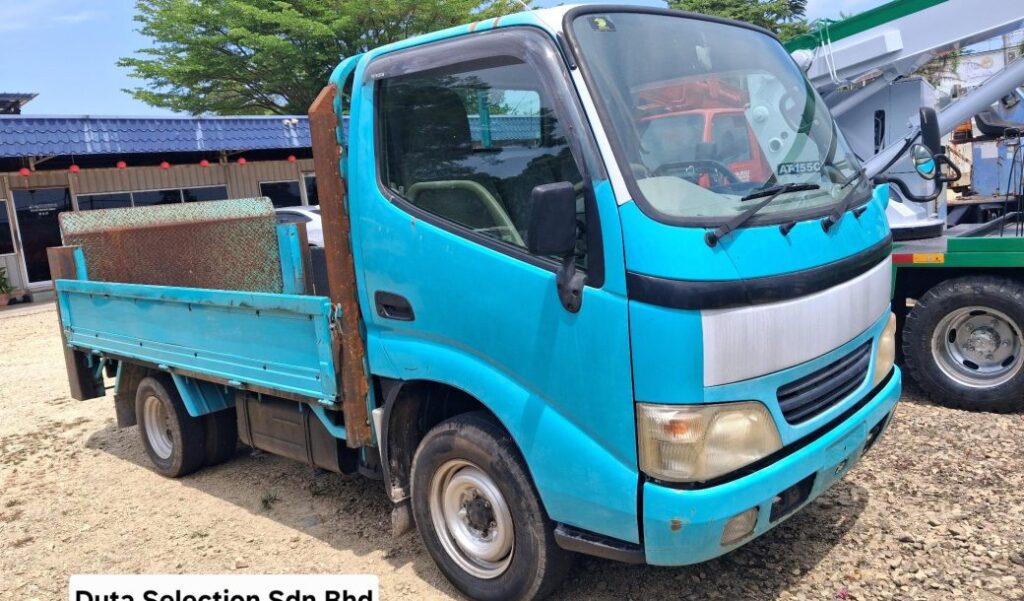
Hino FC and FD (Baby Hino): A 2026 Guide to the Compact Truck Models


You’re reading an AI-generated post.
What Are Hino FC and FD Trucks?
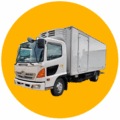
The Hino FC and FD are compact-to-mid-size truck models often nicknamed “Baby Hino” because they deliver Hino’s trusted durability in a smaller, more maneuverable package. In 2026, these models remain highly relevant for businesses that need a truck capable of daily work in cities, industrial zones, and regional routes without the bulk of a large heavy-duty vehicle.
For operators focused on efficiency, the FC and FD are attractive because they balance practical payload capacity, easy drivability, and fleet-friendly operating costs. That makes them popular for logistics companies, construction support, trade businesses, and distribution fleets.
Why “Baby Hino” Still Matters in 2026
The term “Baby Hino” is widely used to describe Hino’s lighter commercial trucks that sit below larger rigid trucks in size and weight. In 2026, that category is especially important as businesses continue to prioritize:
- Urban-friendly mobility for dense delivery routes
- Fuel and maintenance efficiency to control total cost of ownership
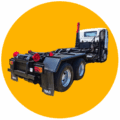
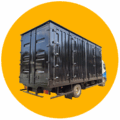
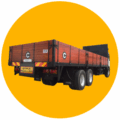
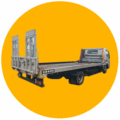
- Versatile body applications such as box, flat deck, tipper, and refrigerated builds
- Driver comfort and safety for long shifts and frequent stops
In many markets, fleet buyers want a truck that can do more than a van but costs less to operate than a larger rigid truck. The FC and FD fit that role well.
Hino FC vs Hino FD: What Is the Difference?
Although exact specifications vary by market and model year, the FC and FD are generally positioned as different capacity tiers within the same family.
- Hino FC: Typically the more compact option, well-suited to light-to-medium duty work, city deliveries, and smaller body conversions.
- Hino FD: Usually the heavier-duty sibling, chosen when businesses need more payload flexibility or a stronger platform for larger bodies.
For buyers, the key decision usually comes down to payload requirement, daily route type, and body size. If your work is mostly stop-and-go urban delivery, the FC may be the better fit. If you need more versatility for heavier loads or larger equipment, the FD is often preferred.
Common Uses for FC and FD Trucks
One reason these models stay popular is their flexibility. Businesses use them in a wide range of industries.
- Urban and suburban delivery
- Construction support and materials transport
- Food distribution and cold-chain logistics
- Retail stock movement
- Service fleets for utilities, maintenance, and trades
- Municipal and government operations
Because the truck can be configured with different body types, the same chassis can serve very different roles. That versatility is a major reason fleet managers continue to search for Baby Hino models in 2026.
2026 Buying Considerations for Fleet Managers
If you are evaluating a Hino FC or FD in 2026, consider the following points before purchase:
- Payload and body weight — Make sure the chassis can handle the body, cargo, and daily operating loads.
- Route profile — City routes demand easy maneuverability; regional routes may require more power and comfort.
- Service support — Availability of dealer support, parts, and maintenance scheduling can affect uptime.
- Driver experience — Modern fleets want trucks that reduce fatigue and are easy to drive in traffic.
- Total cost of ownership — Fuel use, service intervals, downtime, and resale value matter more than purchase price alone.
Many fleet buyers in 2026 also pay closer attention to telematics, route optimization, and uptime tracking. A dependable truck is only part of the equation; the ability to monitor and manage the vehicle efficiently is now a core buying factor.
Technology and Efficiency Trends in 2026
Commercial vehicles are evolving with business needs. When shopping for a Baby Hino, look for features that support modern fleet operations:
- Driver assistance and safety systems
- Connected fleet management tools
- Improved serviceability for faster maintenance
- Better cabin ergonomics to reduce fatigue
- Route efficiency for fuel-conscious operations
According to current fleet management best practices, trucks that are easier to service and easier to monitor tend to deliver better long-term value. That is one reason compact Hino trucks continue to be a practical choice for operators who need dependable daily performance.
Who Should Consider the Hino FC or FD?
The FC and FD are strong options for buyers who need a truck that is:
- Compact enough for busy streets
- Strong enough for commercial hauling
- Flexible enough for multiple body applications
- Backed by a trusted commercial truck brand
If your business needs a no-nonsense work truck for local or regional operations, the Baby Hino lineup deserves attention. It is especially useful for companies that want a balance of maneuverability, payload, and long-term value.
Final Thoughts
The Hino FC and FD remain important models in 2026 because they solve a real business problem: how to move goods efficiently without stepping up to a larger, more expensive truck. Whether you are building a delivery fleet or replacing older light-duty units, the Baby Hino range offers a practical path to better uptime and lower operating stress.
Before choosing a specific model, compare your payload needs, route conditions, and body type requirements. That way, you can select the FC or FD configuration that best supports your operation.
To explore more commercial vehicle insights, visit our homepage or review other truck guides on our site.
Disclaimer: This post was created and published by AI without prior human review and may be updated after subsequent human review.