











Original price was: RM650.00.RM580.00Current price is: RM580.00.








Uncategorized
Malaysia Diesel Fuel Subsidy News in 2026: What Businesses and Drivers Need to Know

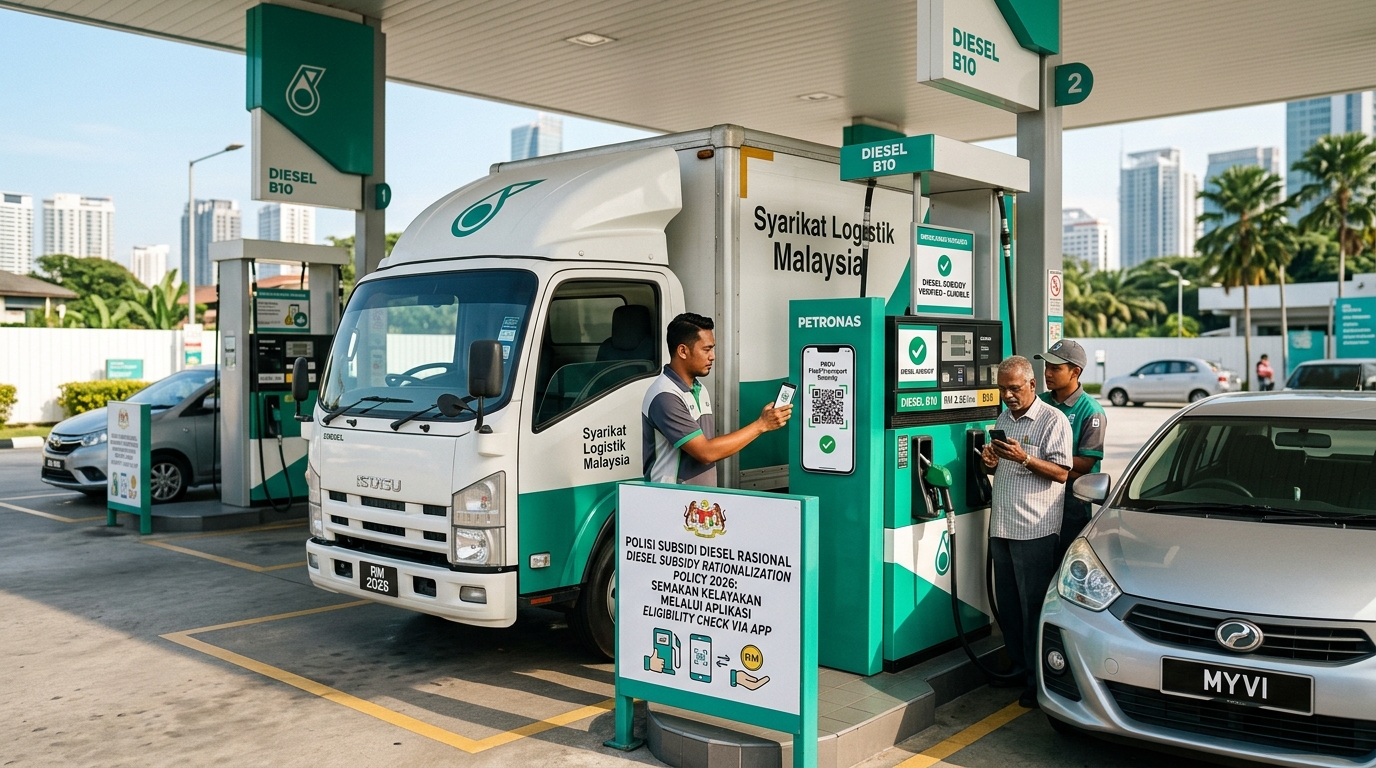
Malaysia diesel fuel subsidy news: the 2026 outlook
Malaysia’s diesel subsidy policy continues to be a major economic and public-interest topic in 2026. For households, logistics firms, transport operators, and small businesses, changes in diesel pricing can affect monthly costs, delivery rates, and inflation expectations. If you are tracking Malaysia diesel fuel subsidy news, the key question is no longer just whether subsidies exist, but how government support is being targeted, managed, and communicated.
In 2026, the conversation is centered on targeted assistance, anti-leakage enforcement, and cost-of-living protection. That means businesses and consumers should pay attention to policy updates, eligibility rules, fuel card systems, and any changes that influence diesel usage across sectors.
Why diesel subsidy policy matters now
Diesel is a critical input for transport, agriculture, construction, manufacturing, and last-mile logistics. Even a small price adjustment can ripple through supply chains. When diesel costs rise, companies may respond by adjusting route planning, freight surcharges, or delivery schedules. Consumers may feel the impact through higher prices for food, building materials, and everyday goods.
For this reason, diesel policy in Malaysia is not only a fuel issue. It is also a business planning issue, a household budgeting issue, and a national inflation-management issue.
What to watch in 2026
If you are following the latest Malaysia diesel fuel subsidy news, focus on these areas:
- Targeted subsidy design — whether support is limited to approved groups, sectors, or fleet categories.
- Eligibility verification — new digital checks, fleet registration requirements, or documentation updates.
- Fuel access systems — cashless controls, fuel cards, or QR-based verification tools.
- Enforcement measures — stronger action against misuse, smuggling, and cross-border leakage.
- Business compensation tools — temporary assistance, rebates, or sector-specific relief measures.
- Price transparency — more frequent public updates or clearer formulas for managed pricing.
How diesel subsidy changes affect businesses
For fleet-heavy industries, subsidy reform can change operating margins quickly. Companies that rely on trucks, vans, generators, or heavy equipment should monitor diesel policy alongside procurement and route efficiency.
Here are the most common business impacts:
- Higher operating costs if subsidized access narrows or market-linked pricing rises.
- Reduced margin flexibility for logistics firms and distributors.
- Pricing pressure in sectors that cannot absorb fuel increases easily.
- Administrative overhead from new registration, reporting, or compliance requirements.
To adapt, businesses should review fuel consumption data, identify underperforming routes, and compare maintenance schedules with fuel usage. Many firms are now using fleet analytics dashboards and route optimization software to reduce diesel dependency.
Impact on households and everyday drivers
Households that use diesel vehicles may notice changes in daily commuting costs, travel budgets, and vehicle ownership decisions. If subsidy access becomes more targeted, some drivers may need to check whether they qualify under current policy rules.
Practical steps for drivers include:
- Tracking monthly fuel spend before and after any pricing change
- Using official government channels for eligibility updates
- Planning refueling around approved payment or verification methods
- Considering fuel-efficient driving habits to reduce consumption
Small adjustments such as smoother acceleration, proper tire pressure, and routine servicing can help reduce diesel usage over time.
Digital tools shaping subsidy administration
One of the biggest 2026 trends in Malaysia diesel fuel subsidy news is the use of digital systems to improve targeting and reduce leakage. Governments worldwide are moving toward more data-driven subsidy delivery, and Malaysia is no exception.
Tools and systems that matter include:
- Digital identity verification for subsidy eligibility
- Fleet management platforms to monitor fuel usage
- Transaction monitoring to detect unusual purchasing patterns
- eKYC-style onboarding for approved beneficiaries
For businesses, this shift means compliance readiness is becoming as important as cost control. Keeping records updated and aligning procurement practices with official rules can help avoid disruptions.
What this means for inflation and the wider economy
Diesel policy has a direct connection to inflation because transport fuels influence the cost of moving goods. When diesel subsidy changes are introduced carefully, the government can help balance fiscal responsibility with consumer protection. But if changes are abrupt or poorly communicated, they may trigger price volatility and uncertainty.
In 2026, observers are paying close attention to how Malaysia manages this balance. The most effective policies are likely to be those that protect vulnerable groups while limiting abuse and keeping essential supply chains stable.
How to stay updated
To follow Malaysia diesel fuel subsidy news accurately, rely on official announcements, reputable financial news outlets, and policy statements from relevant ministries. Watch for updates on:
- Eligibility changes
- New support programs
- Fuel pricing announcements
- Implementation dates
- Appeals or registration deadlines
If you manage a business, assign someone to track policy updates weekly and translate them into operational actions. If you are a driver or consumer, keep a simple budget tracker so you can see how any diesel change affects your monthly spending.
Conclusion
Malaysia diesel fuel subsidy news remains highly relevant in 2026 because it affects businesses, households, and the broader economy. The main trends are targeted support, stronger digital controls, and tighter enforcement against misuse. Whether you are running a fleet or managing a household budget, staying informed will help you respond faster and plan more effectively.
For the best results, follow official announcements closely and review your fuel strategy regularly. In a changing policy environment, preparation is the best protection against cost surprises.
Check Malaysia’s official finance updates for the latest announcements and policy guidance.
Disclaimer: This post was created and published by AI without prior human review and may be updated after subsequent human review.